
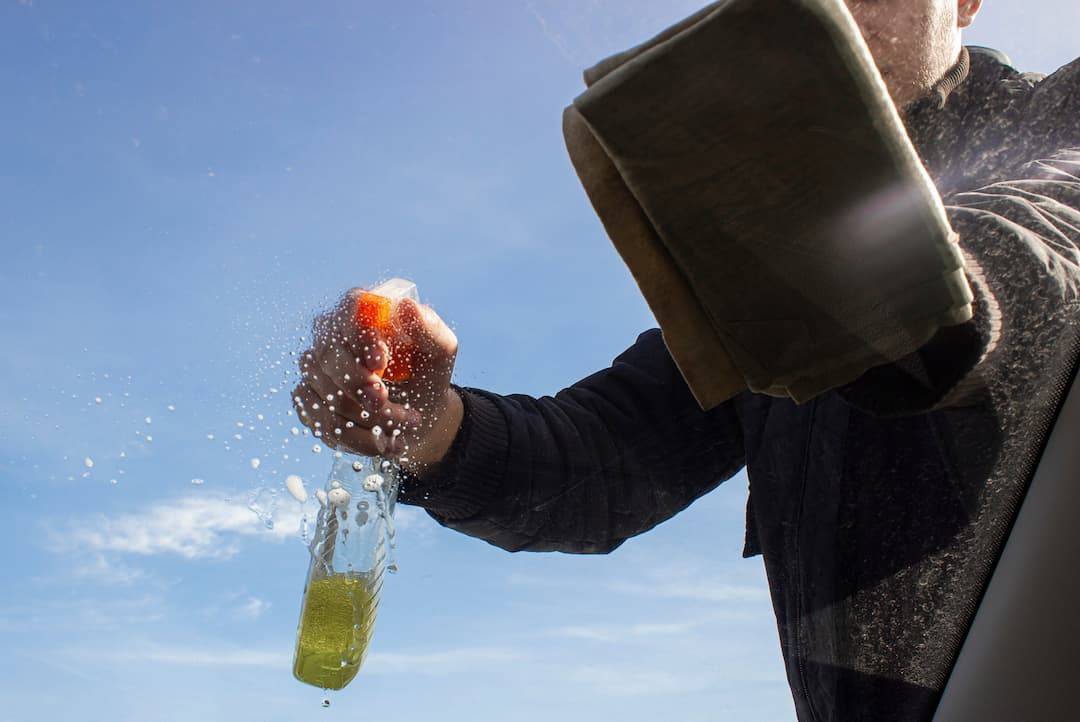
Winter puts extra strain on your car’s glass. A little preparation now can save you an unwelcome breakdown later. Sudden frosts, grit-covered roads and rapid temperature swings all increase the chance of chips turning into bigger cracks. Visibility problems can become genuinely dangerous once that happens. A bit of winter windscreen care goes a long way for drivers across Swansea.
Why Winter Is Particularly Hard On Your Windscreen
Cold temperatures make glass more brittle. This means existing chips are far more likely to spread once the mercury drops. Rapid temperature changes, such as pouring hot water over a frozen windscreen or blasting the demister at full heat, can cause a small chip to crack right across the glass in seconds. Grit and salt on winter roads also increase the chance of stone damage during longer journeys.
Check For Existing Damage Before The Cold Sets In
Autumn is the ideal time to look over your windscreen properly. Run your fingers over the glass and check for small chips you might not have noticed while driving. Even minor marks are worth addressing before winter. A repair now is quicker and cheaper than dealing with a spreading crack in freezing conditions. Our stone chip repair service is designed for exactly this kind of early intervention.
De-Icing Safely Without Damaging Your Glass
Never pour boiling or even hot water onto a frozen windscreen. The sudden temperature shock is one of the most common causes of winter cracking. Instead, use a proper de-icer spray or a plastic scraper. Let your car’s demister do some of the work gradually rather than forcing it. Covering your windscreen overnight with a purpose-made cover also cuts down on scraping, which reduces the risk of accidental damage.
Keep Wipers And Washer Fluid Winter-Ready
Good visibility depends on more than the glass itself. Worn wiper blades smear rather than clear, particularly when mixed with road salt and grime. It’s worth replacing tired blades before winter properly sets in. Topping up with a screenwash rated for sub-zero temperatures also stops your washer fluid freezing at the worst possible moment.
Why Coastal Conditions Add Extra Risk For Swansea Drivers
Being close to the coast brings its own challenges for car glass generally. Salt-laden air and damp conditions can speed up wear on the rubber seals around the windscreen, sometimes letting small amounts of moisture creep in around the edges over time. Damp mornings also mean more condensation on the inside of the glass, which can reduce visibility just as much as frost on the outside. Keeping the cabin well ventilated and wiping down the inside of the windscreen regularly helps keep this under control through the colder months.
Simple Habits That Protect Your Windscreen All Winter
A few small habits make a real difference over a long winter. Park undercover where you can, since this limits frost build-up and reduces the temptation to use hot water. Avoid slamming doors on a frozen car, as the shock can travel through the bodywork to already stressed glass. Keep a soft cloth and de-icer in the car at all times, so you’re never caught out on a cold morning far from home. Leaving a few extra minutes in your journey also removes the temptation to rush the de-icing process, which is often when accidental damage happens.
When To Book A Repair Or Replacement Before The Weather Turns
If you already have a chip or crack, booking it in before winter arrives gives you the best chance of a straightforward repair. Our windscreen repair and replacement team can assess the damage and advise honestly on which option suits your vehicle. Where sensors are involved, we also carry out ADAS calibration to keep safety systems working correctly. Getting this sorted in good time means one less thing to worry about once the cold weather properly arrives.
Frequently Asked Questions
Why Do Windscreen Chips Get Worse In Winter? Cold temperatures make glass more brittle. Sudden heat from demisters or hot water then causes rapid expansion, which can turn a small chip into a full crack.
Is It Safe To Use Hot Water To Defrost My Windscreen? No. Hot or boiling water can crack cold glass instantly. Stick to de-icer spray, a scraper or a gradual demist instead.
How Often Should I Check My Windscreen In Winter? A quick visual check every few weeks is sensible. It’s also worth inspecting after any noticeable stone strike or sudden noise while driving.
Should I Replace My Wiper Blades For Winter? Yes. Worn blades struggle with icy roads and salt residue, so fresh blades make a noticeable difference to visibility during winter driving.
Get Your Windscreen Winter-Ready With Able Windscreens
Don’t wait for the first frost to find out your windscreen needs attention. Contact Able Windscreens today to book a repair, replacement or general check-up ahead of the colder months.